



warranty rental car checklist and step-by-step tips
What a warranty rental car usually means
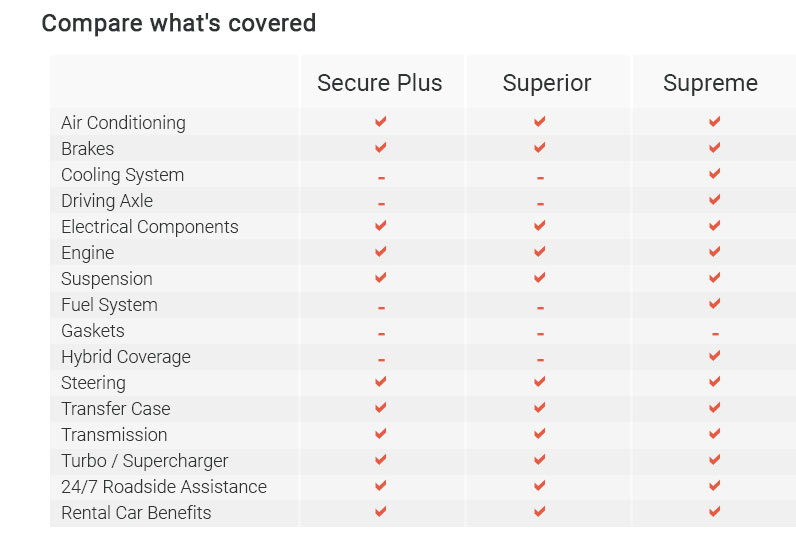
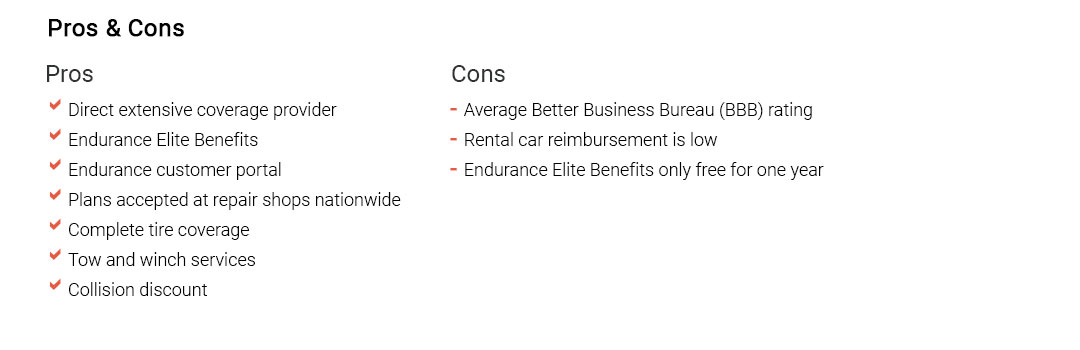
I treat a warranty rental car as a temporary loaner paid or subsidized because a covered repair takes the vehicle off the road. It's not the same as accident coverage, and it isn't unlimited. Limits matter - daily dollar cap, days allowed, and vehicle class.
Daily allowance: A per-day ceiling (e.g., $35 - $50). You can choose pricier, but you pay the difference.
Max days: A cap per repair visit (often 5 - 10 days) or until parts arrive, whichever comes first.
Vehicle class: Typically economy/compact; upgrades are on you unless pre-approved.
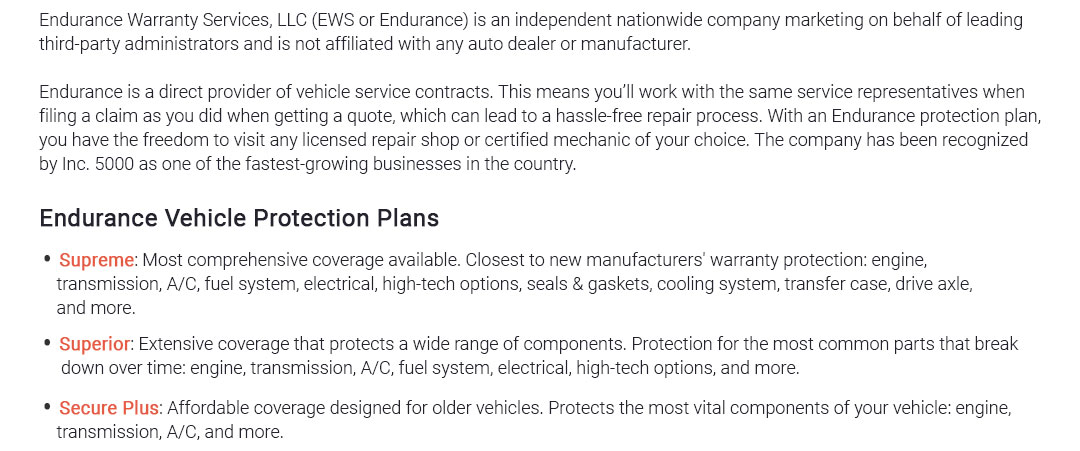
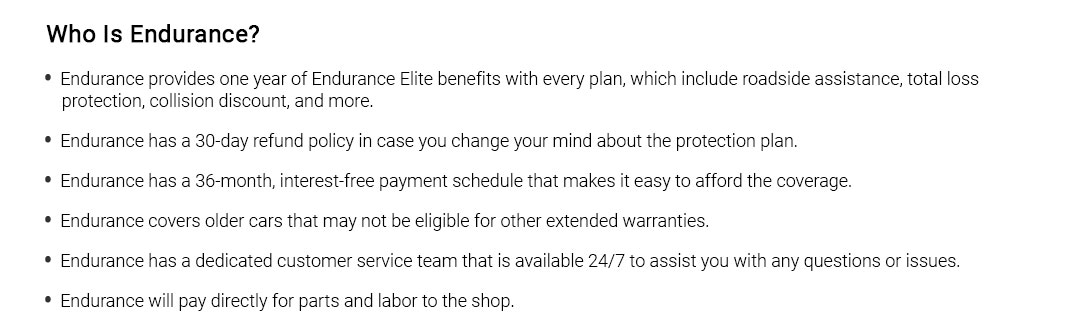
Who pays: Manufacturer, dealer, or third-party warranty; each has different rules.
Deductible interplay: Your repair deductible doesn't usually affect the rental, but verify.
Pre-authorization: Many providers require an approval code before pickup.
Delays and weekends: Some plans exclude waiting time if the shop is closed; others don't.
Step-by-step: how I handle it
Confirm eligibility. Ask the service advisor: "Is rental coverage included for this specific repair code?"
Get the numbers. Daily cap, max days, allowed class, and whether taxes/fees are covered.
Pin down the payer. Dealer account, manufacturer direct-bill, or reimbursement to you.
Secure authorization. Request the rental authorization number and note the contact person.
Book smart. Reserve within the allowed class; bring your license, card, and proof of insurance.
Decline overlap. If your insurance or card already covers collision damage, skip duplicate waivers - unless you prefer the simplicity of the rental's LDW.
Collect proof. Keep the repair order showing dates out of service and the rental agreement.
Reconcile. On return, match dates to the repair invoice and submit any receipts needed for reimbursement.
Real-world moment: my sedan needed a fuel pump and the dealer said three days. I called the warranty line from the service bay, wrote down the authorization, and walked to the on-site desk. The agent offered a midsize at a small upcharge; I checked my daily cap, stuck with compact, and added a toll transponder because my route was mostly expressway. When the part arrived early, I returned the car that afternoon and the bill matched the allowance to the dollar.
Costs that can sneak in
Taxes, surcharges, and concession fees: Sometimes covered, sometimes not.
Fuel: Return full to avoid refueling rates.
Add-ons: GPS, toll plans, car seats, and roadside packages may not be reimbursable.
One-way fees: Usually excluded unless pre-approved.
Additional driver and underage fees: Ask before signing; these can exceed the daily cap.
Insurance layers worth checking
Coverage can stack or clash. I verify what already protects me before I buy anything at the counter.
Your auto policy: Often extends liability and sometimes collision to rentals - confirm deductibles and exclusions.
Credit card CDW: Primary or secondary; requires paying with that card and declining the rental's LDW.
Rental company waivers (LDW/CDW): Simple but an added cost; may avoid downtime and admin fees.
Gaps to mind: "Loss of use," "diminished value," and admin fees aren't always covered by personal policies or cards.
Documentation that makes reimbursement easy
Repair order with in/out dates and covered cause of failure.
Rental authorization code and the approver's name.
Rental agreement and final itemized receipt.
Photos of the rental at pickup/return (fuel level, odometer, any dings).
Notes from calls - time, person, and what they approved.
Edge cases I watch for
Part backorders: Some plans extend days for verified delays; others stop at the cap.
Warranty expiration mid-repair: Coverage may continue if the concern was reported before expiry.
After-hours returns: Use the drop box; keep time-stamped photos.
Location limits: Remote areas may have no direct-bill; pay and submit receipts.
EV rentals: Plan charging; energy fees aren't always covered.
Quick decision path
Is the repair warranty-covered and does the plan include rental?
What are the daily cap, max days, and class?
Who authorizes and pays - direct bill or reimbursement?
Which insurance layer will I use, if any?
Reserve within rules, keep every document, and reconcile at return.
Short answers to common questions
Do I have to use a specific rental company? Sometimes; ask for preferred vendors to keep direct-bill.
Can I upgrade? Yes, but you usually pay the difference.
Are taxes covered? Depends on the plan; get it in writing.
What if the shop needs more time? Call the provider before the cap is reached and request an extension.
No cars available? Ask the advisor to note the delay and call nearby locations; document attempts.
Final notes
Clarity wins: verify eligibility, capture approvals, and match dates. Policies shift and exceptions happen, so I keep my notes handy and adjust as details evolve.